Designed by Architect Dharam Patel | Art & Architecture Associates
Firm: Art & Architecture Associates, Vadodara
Scope: Architecture | Interior Design | Landscape Design
Design Team: Dharam Patel, Archy Bhatt, Team Art & Architecture Associates
Location: Halol, Near Vadodara, Gujarat, India
Project Type: Residential – Sustainable Farmhouse
Built-up Area: 3000 sq. ft.
Completion Year: 2021
Photography: Tejas Shah Photography
Reimagining Sustainable Rural Living
The Earth House is conceived as a response to the increasing need for environmentally responsible architecture. With climate change becoming one of the most pressing global challenges, the project explores how homes can reduce energy consumption and minimise their carbon footprint while maintaining comfort and functionality.
Instead of relying heavily on mechanical systems and energy-intensive construction materials, the house adopts a design approach rooted in traditional building wisdom. The project revisits earth construction techniques, which have historically been used across many regions for their thermal efficiency, low environmental impact, and affordability.
By combining these traditional methods with contemporary spatial planning, the Earth House demonstrates how modern rural homes can achieve sustainability while maintaining architectural elegance.
Concept and Design Approach
The fundamental concept behind the Earth House is to create a dwelling that grows naturally out of the land on which it stands. The architecture is therefore shaped by the idea of working with the earth rather than imposing upon it.
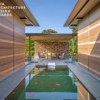
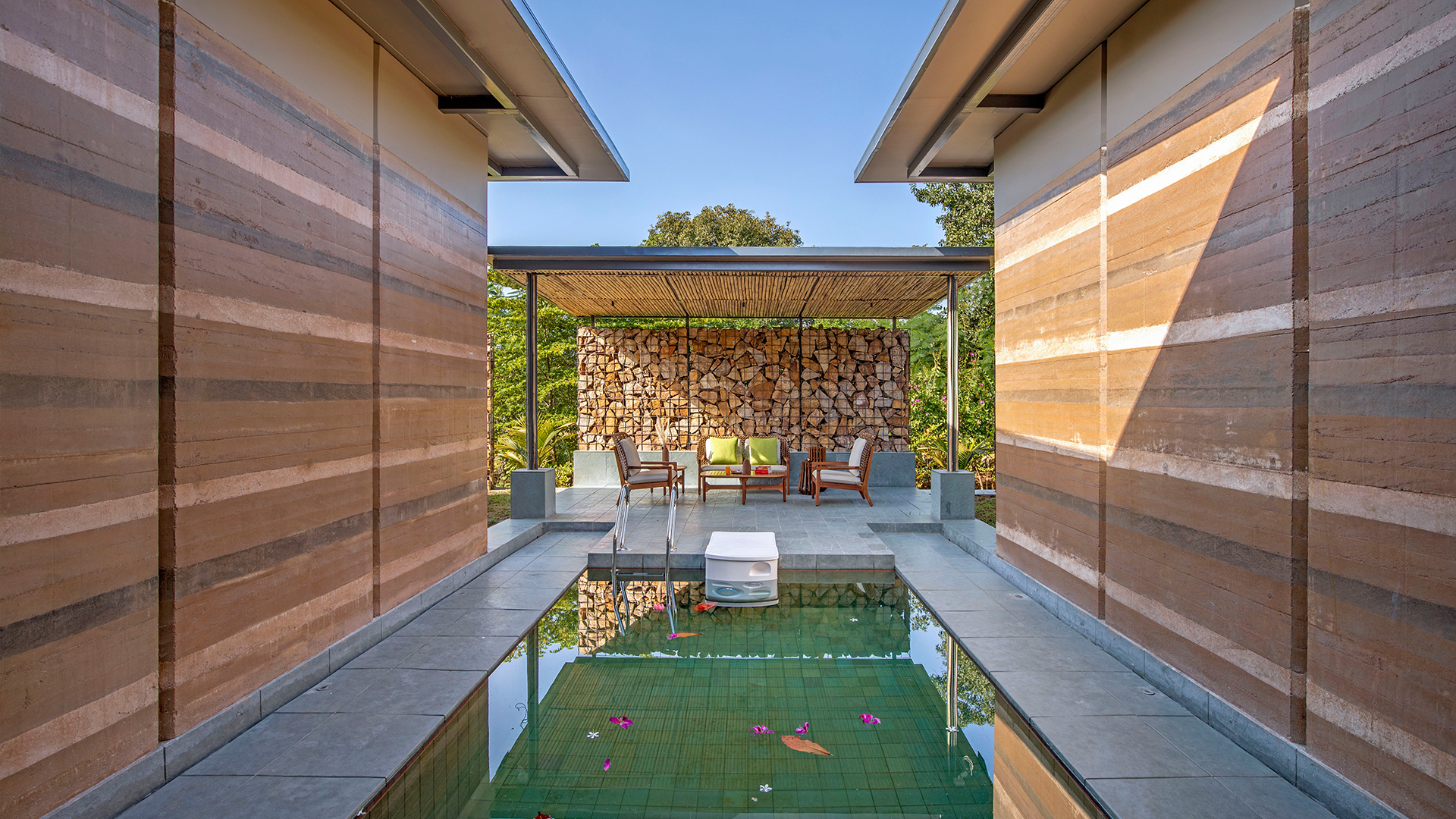
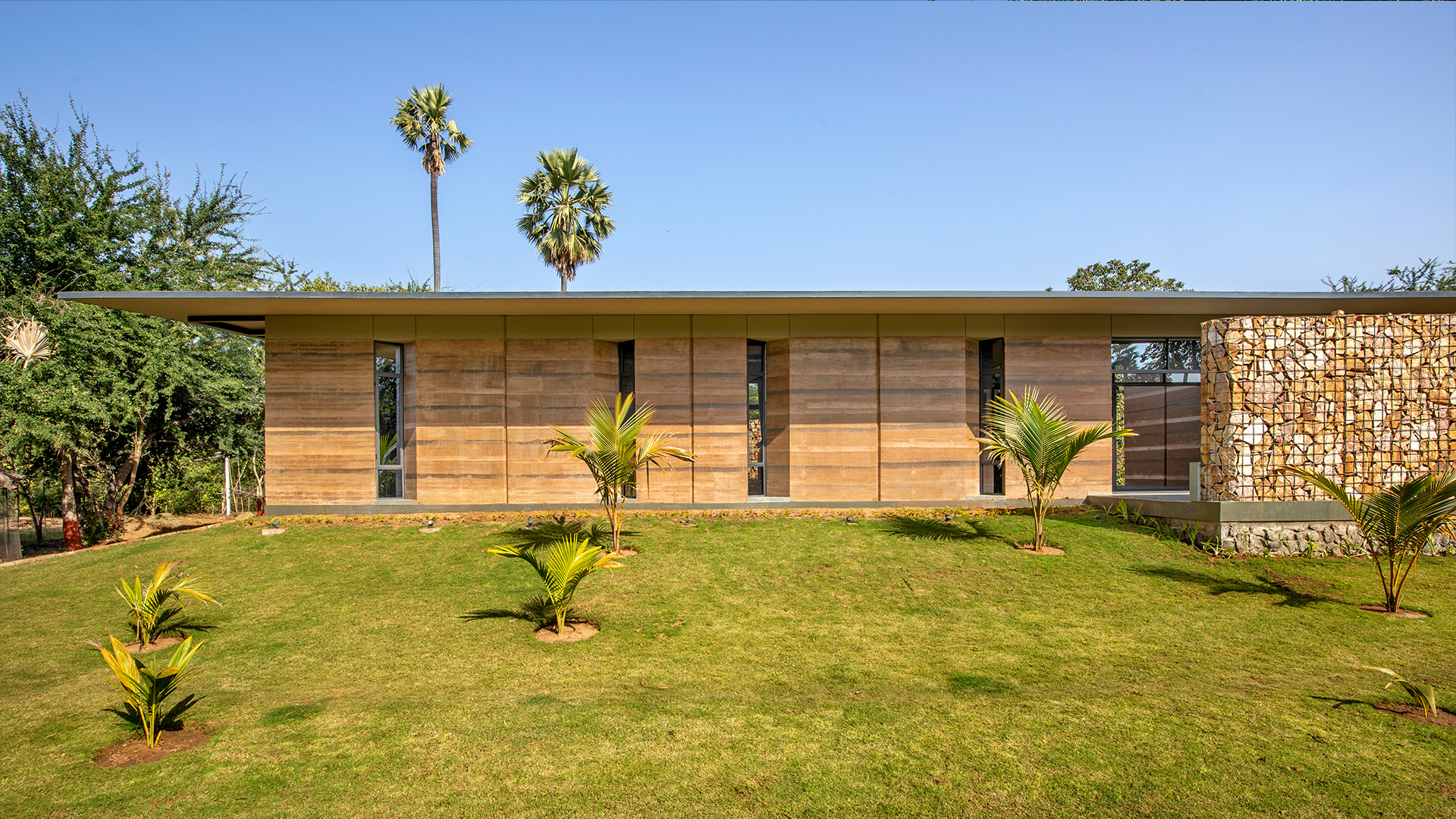
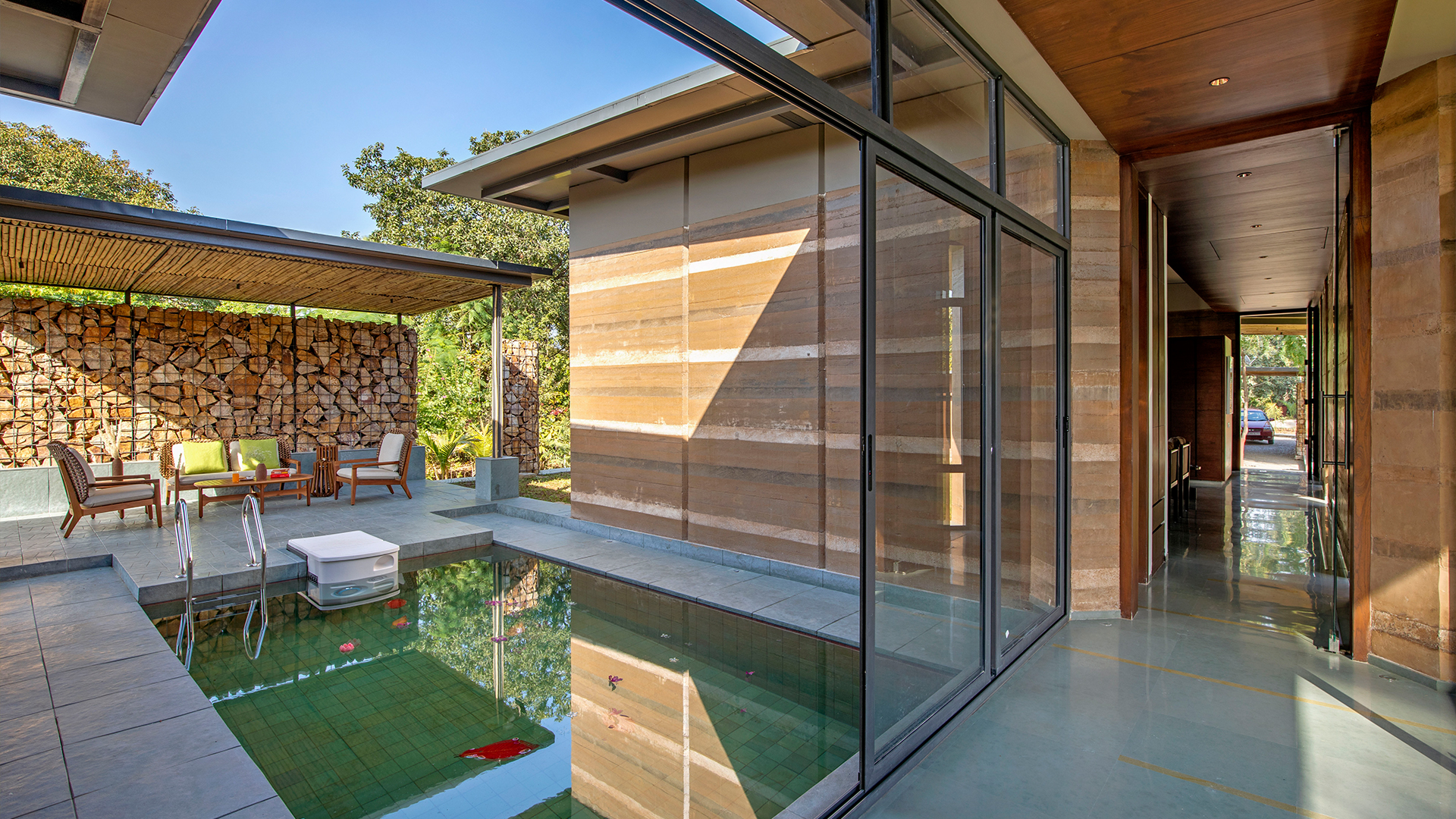
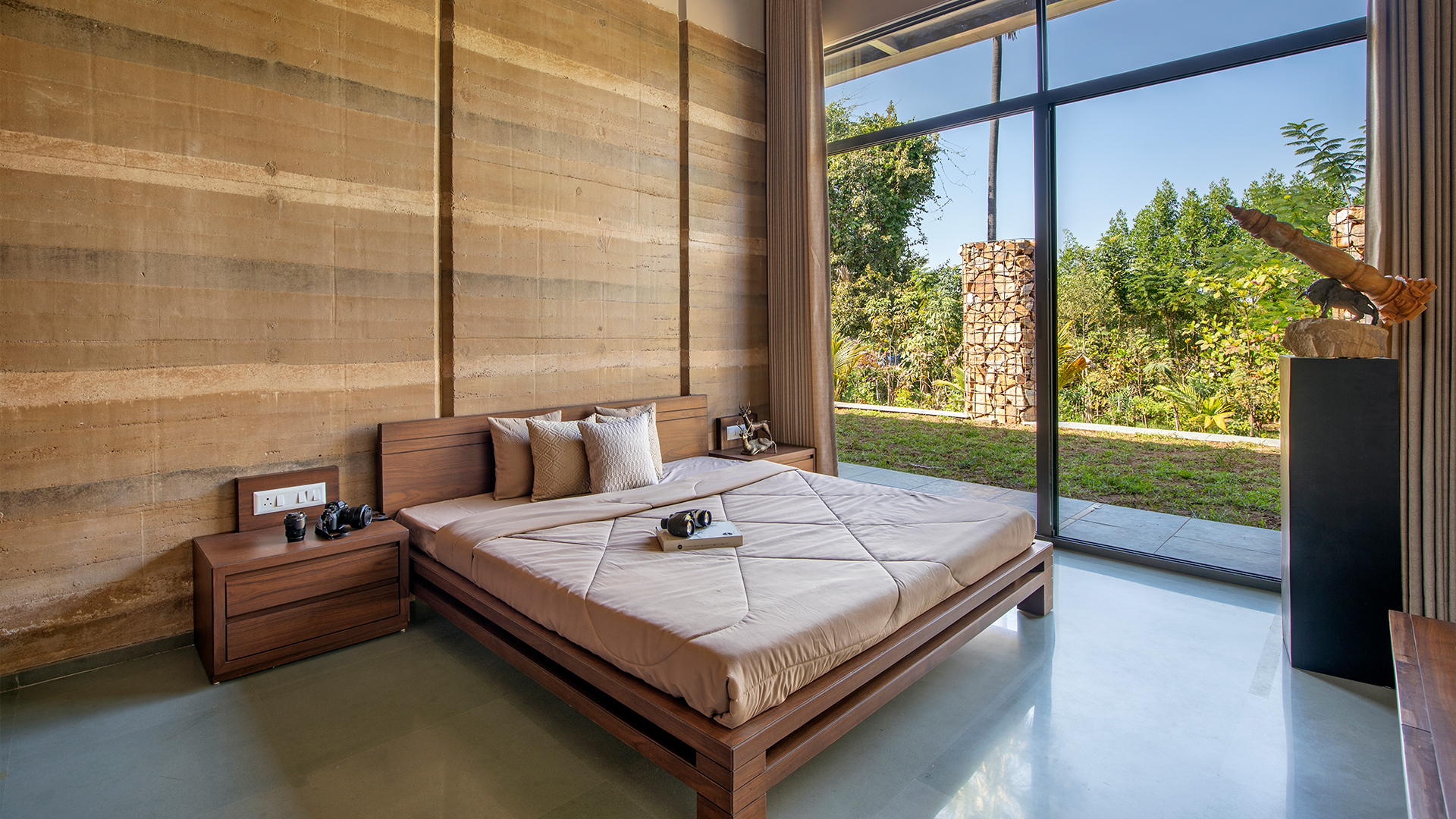
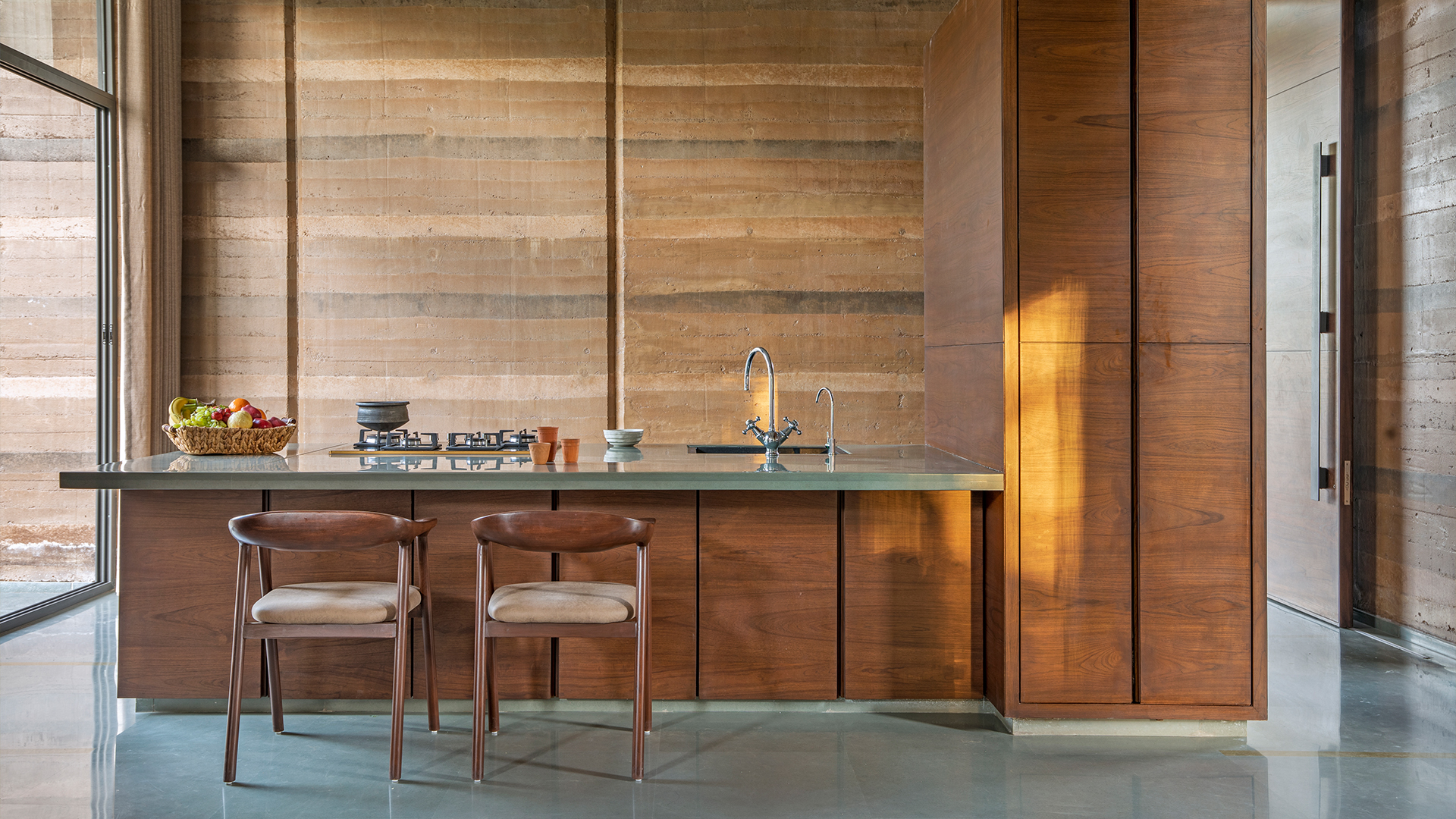
The primary construction technique used for the project is rammed earth, created using soil excavated directly from the site. This approach significantly reduces transportation and embodied energy while establishing a strong relationship between the building and its landscape.
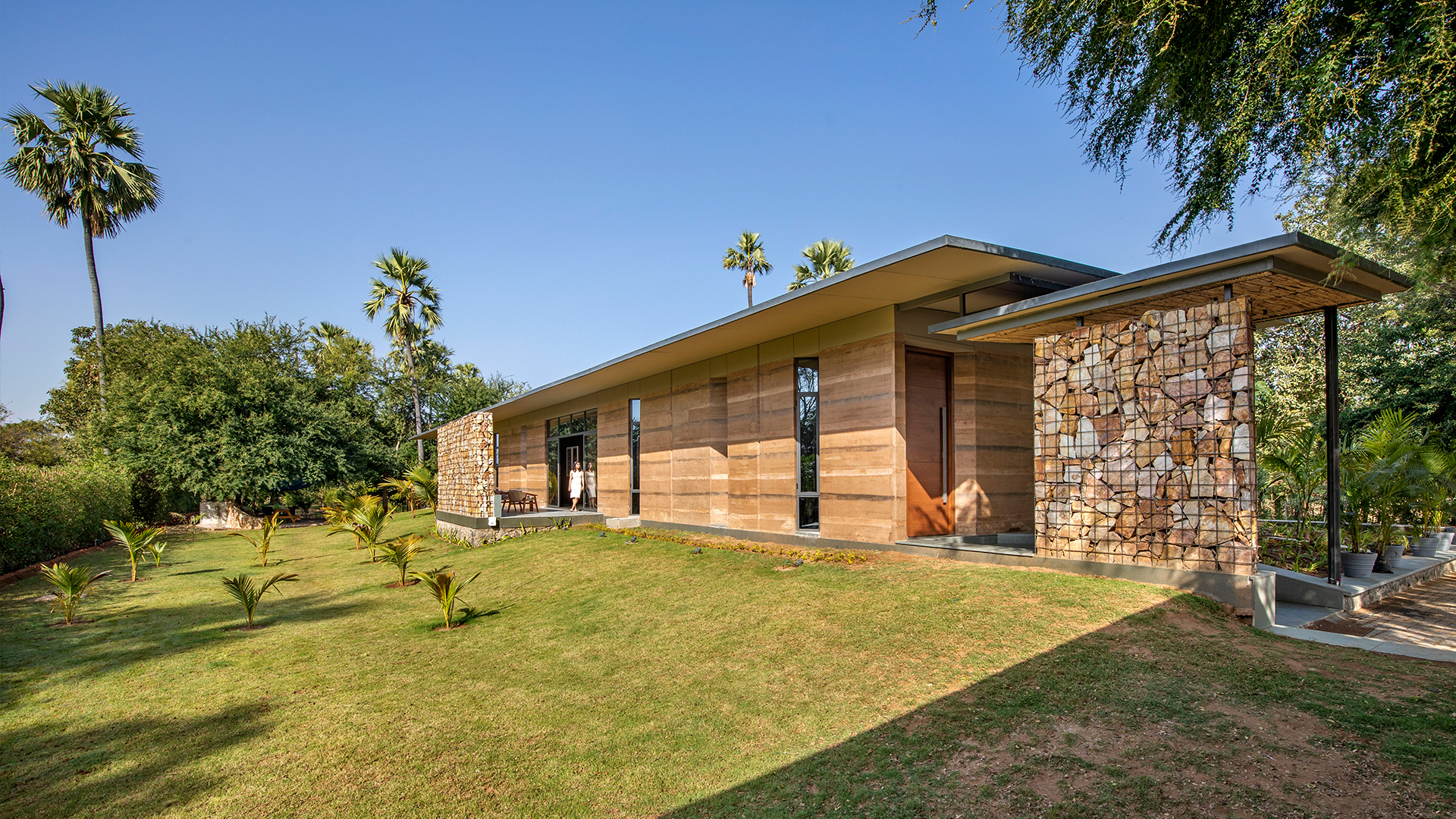
The thick earth walls form the building’s envelope, acting as natural insulation. These walls significantly reduce solar heat gain and help maintain indoor temperatures that remain approximately 7 to 10 degrees Celsius cooler than the outdoor environment, which is particularly beneficial in the tropical climate of Gujarat.
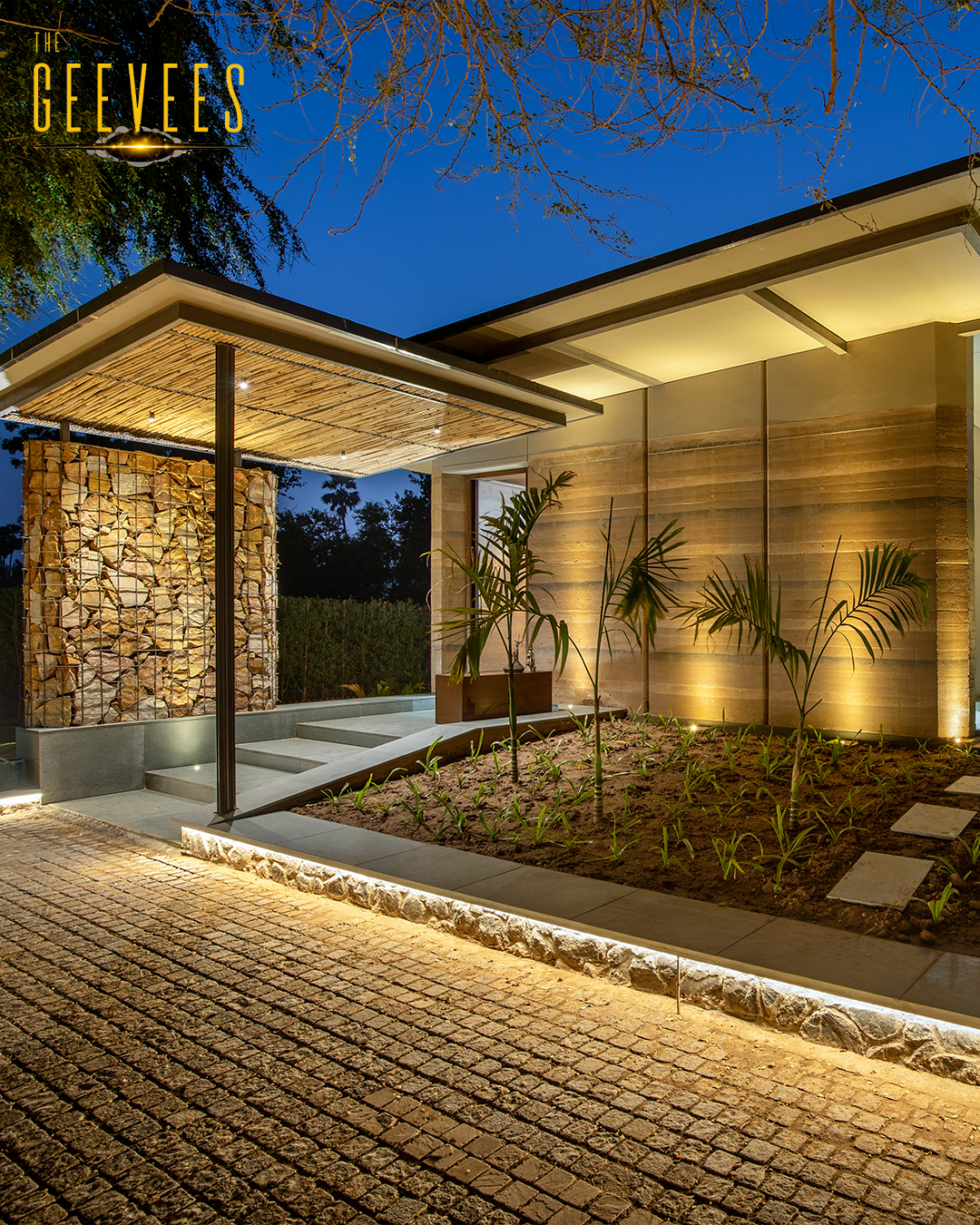
Large linear blocks of earth construction and the natural earthy tones of the material allow the architecture to blend seamlessly with the surrounding farmland landscape.
Spatial Organisation and Living Experience
The spatial layout of the house is intentionally simple and efficient. The 3,000 square foot farmhouse is organised around a compact footprint that minimises disturbance to the surrounding land while maximising spatial efficiency.
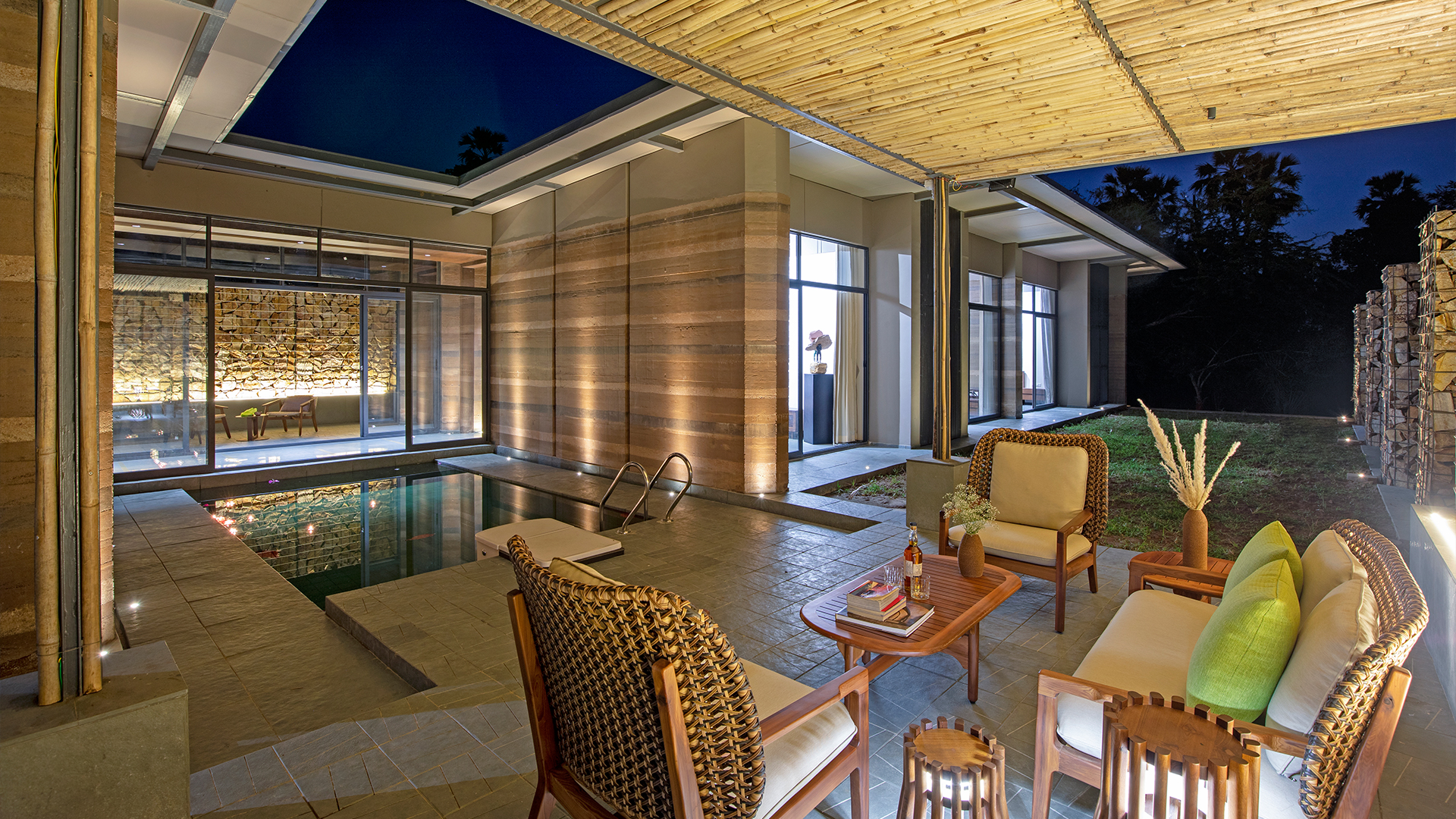
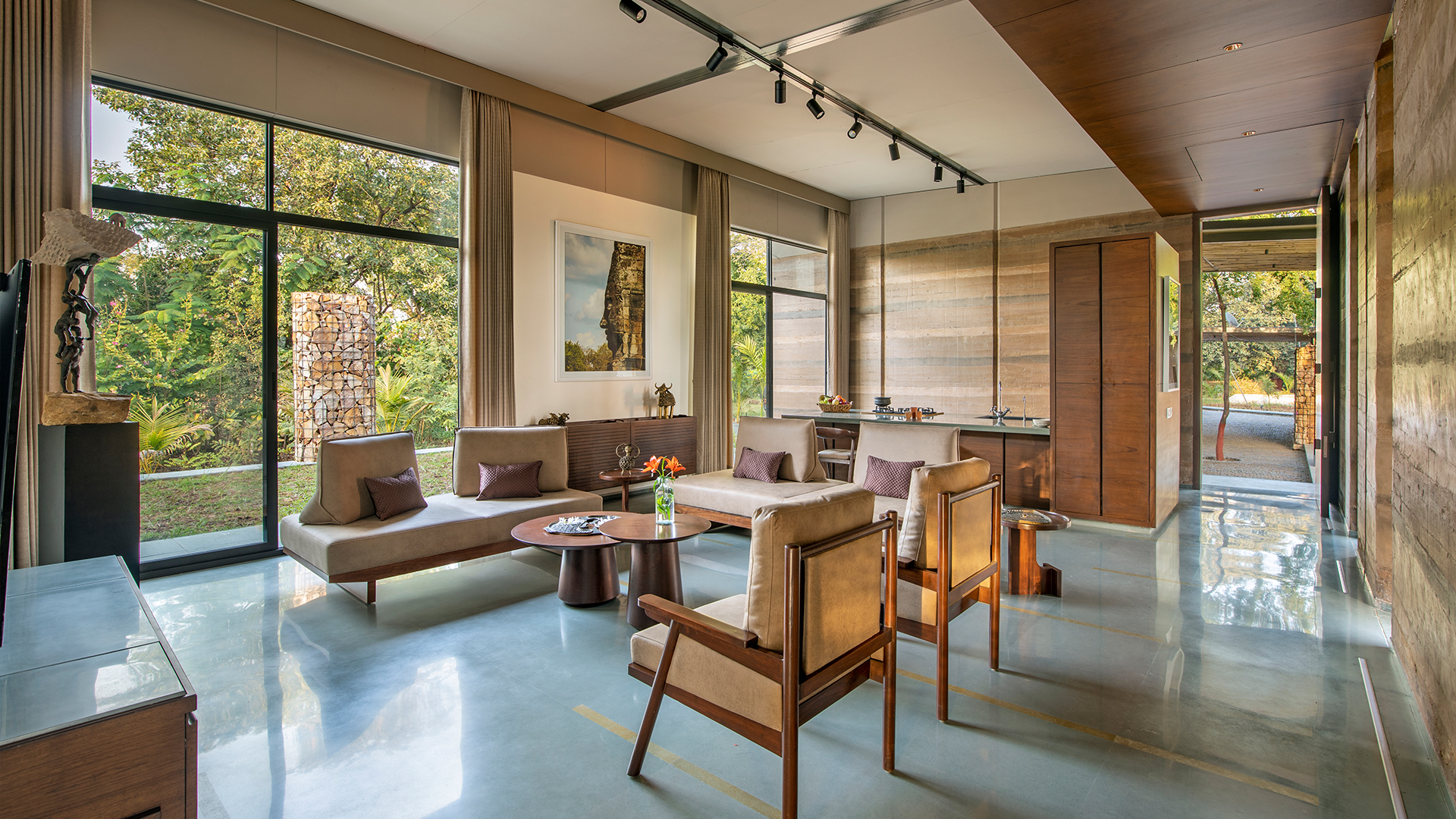
The plan consists of three bedrooms and a central living area, with leisure spaces such as a swimming pool and gazebo extending the living experience outdoors. This arrangement allows the house to maintain a strong connection with the surrounding landscape while providing comfortable living spaces.
Large openings are oriented toward the north, allowing soft daylight and natural ventilation to flow into the interior spaces. This orientation strategy reduces the need for artificial lighting and mechanical cooling, contributing to the building’s overall energy efficiency.
Energy Strategy and Passive Design
Sustainability is embedded in every aspect of the Earth House design. The building combines passive environmental strategies with renewable energy systems to achieve near net-zero energy performance.
The house is carefully oriented to maximise daylight and natural airflow while reducing direct solar heat exposure. Thick rammed earth walls further enhance thermal performance by acting as a buffer against heat gain.
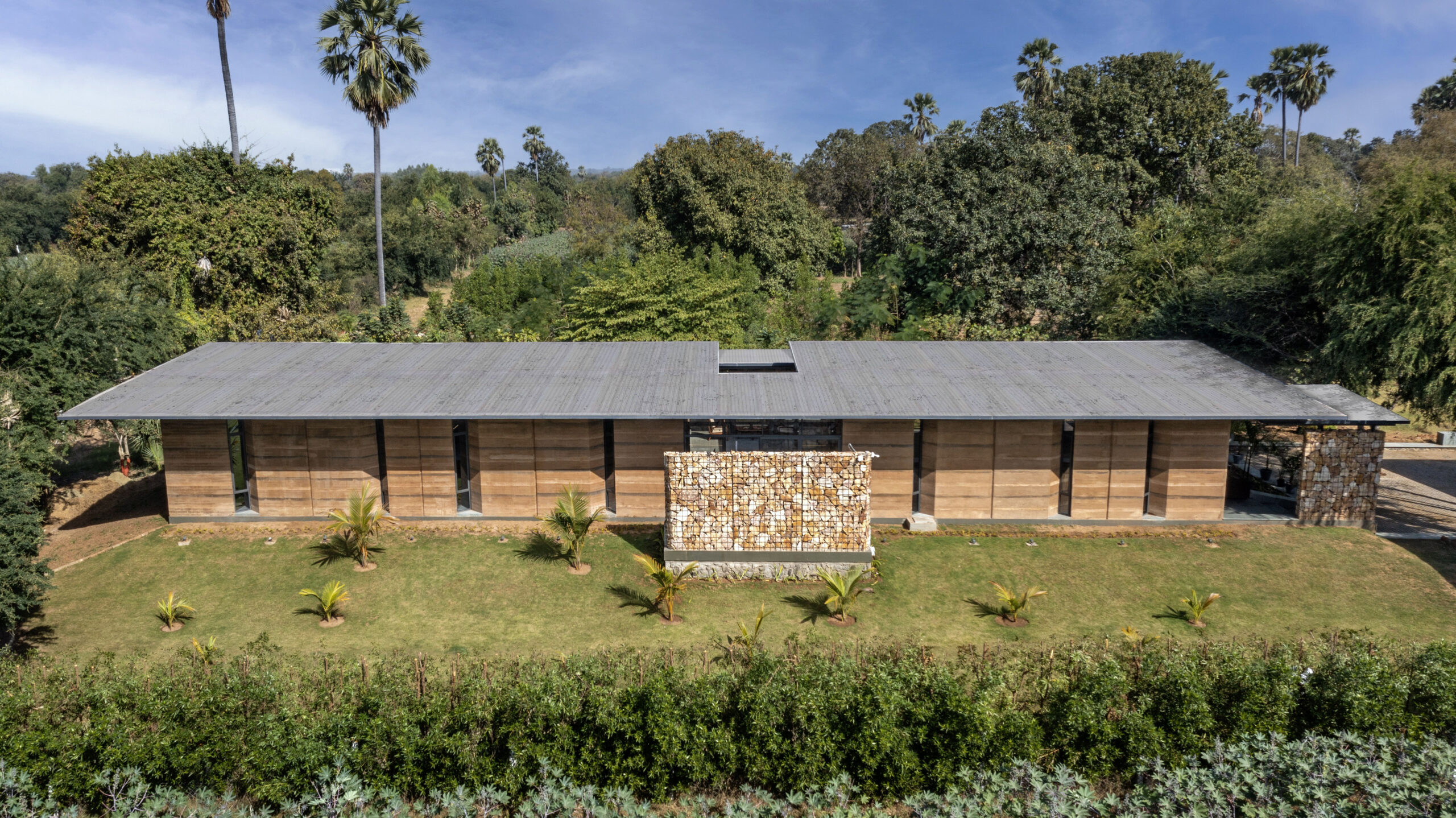
An inclined roof is designed to capture solar energy efficiently through solar panels, allowing the house to generate its own electricity and significantly reduce its dependence on external power sources.
These strategies together ensure that the building operates with minimal energy consumption while maintaining comfortable indoor conditions.
Landscape Integration
Landscape design plays a vital role in shaping the identity of the Earth House. Instead of treating the landscape as a decorative element, the project integrates it as an active ecological system that contributes to the sustainability of the property.
The surrounding land includes a Miyawaki forest, organic farmland, and mango orchards, creating a lush green environment that enhances the microclimate of the site. The dense foliage provides natural shading for the building and surrounding outdoor areas, reducing heat gain and improving thermal comfort.
Plant species selected for the landscape are native to the region, which helps minimise irrigation requirements and supports local biodiversity.
The property also produces food, electricity, and harvested rainwater, reinforcing the project’s vision of a self-sufficient and sustainable rural home.
Materiality and Construction
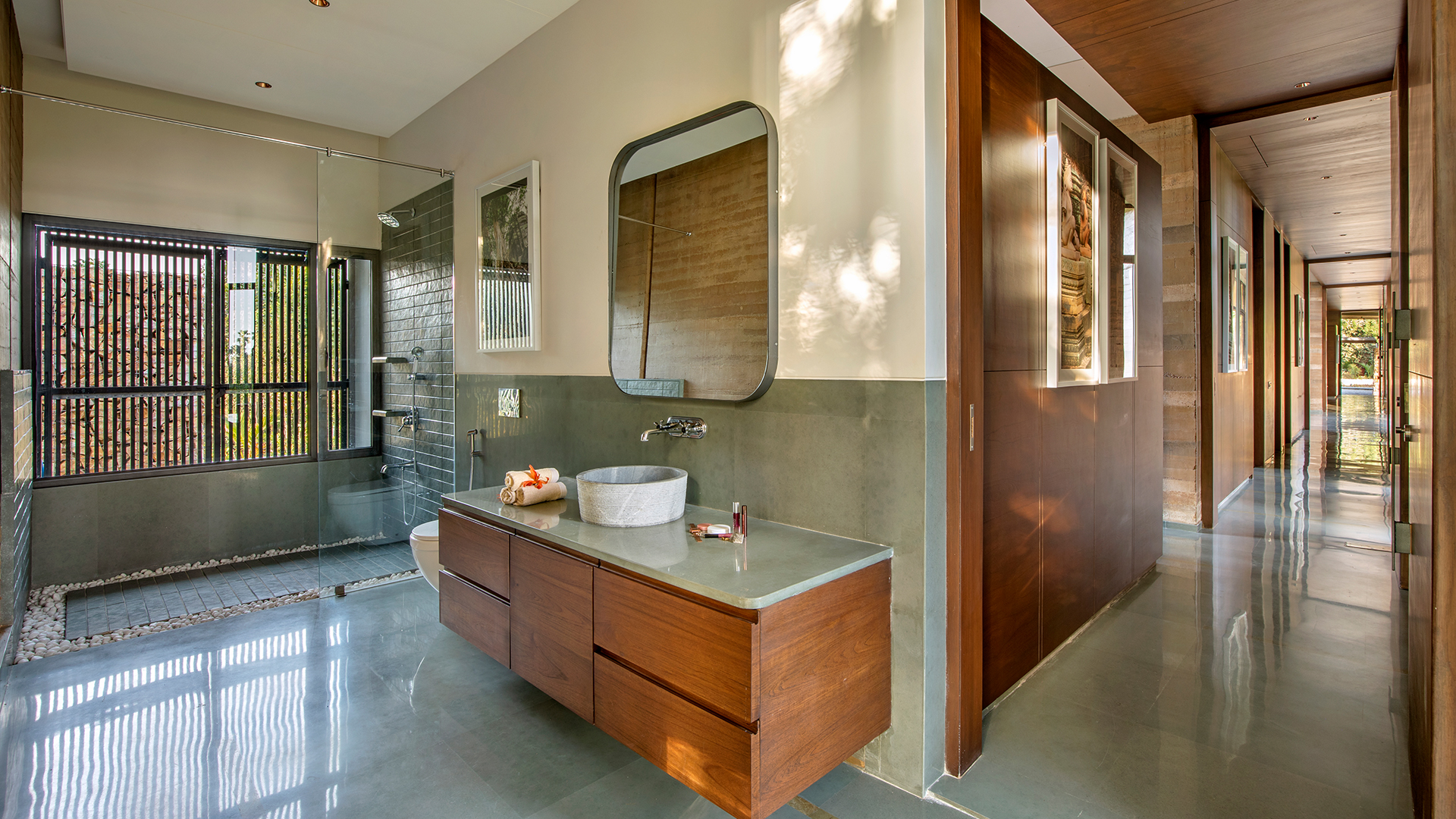
Material selection for the Earth House prioritises environmental responsibility and local availability. The rammed earth walls form the primary architectural expression of the building, celebrating the raw texture and natural colour of the soil.
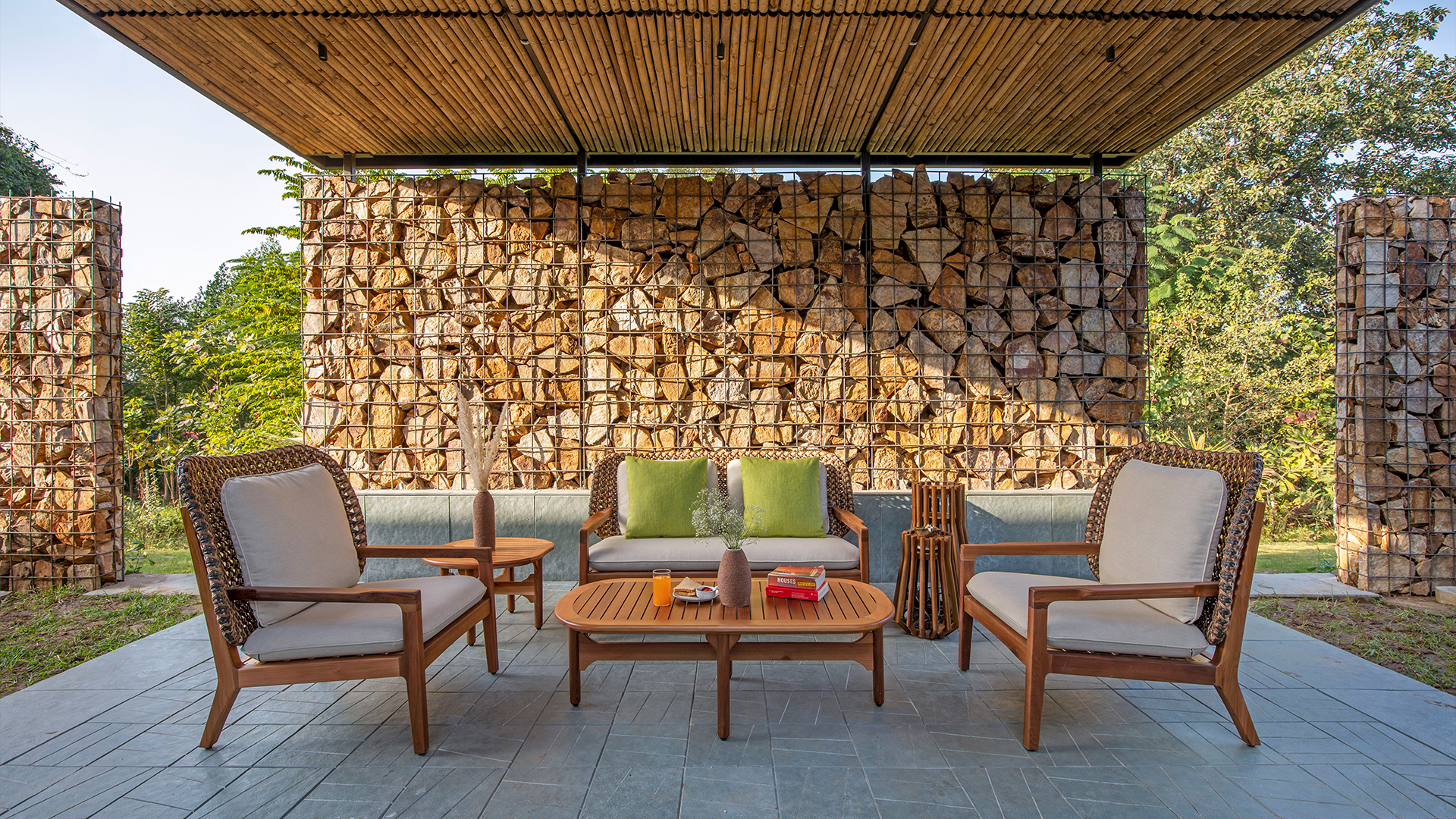
Local stones are used within gabion walls, which serve both functional and aesthetic purposes. These stone-filled cages provide privacy screens while also forming sculptural landscape elements that blend naturally with the rural environment.
Furniture and interior finishes were sourced from manufacturers committed to environmentally responsible production methods and recycled materials, ensuring that sustainability extends throughout the project.
Architecture as Environmental Responsibility
At its core, the Earth House represents a conscious attempt to balance architecture with ecological responsibility. The project demonstrates that sustainable living can be achieved through thoughtful design decisions rather than relying solely on complex technological systems.
By integrating traditional materials, passive cooling strategies, renewable energy systems, and regenerative landscape practices, the house presents a holistic model for sustainable rural living.
The Earth House ultimately serves as a reminder that architecture can reconnect people with nature while offering comfort, efficiency, and environmental responsibility.